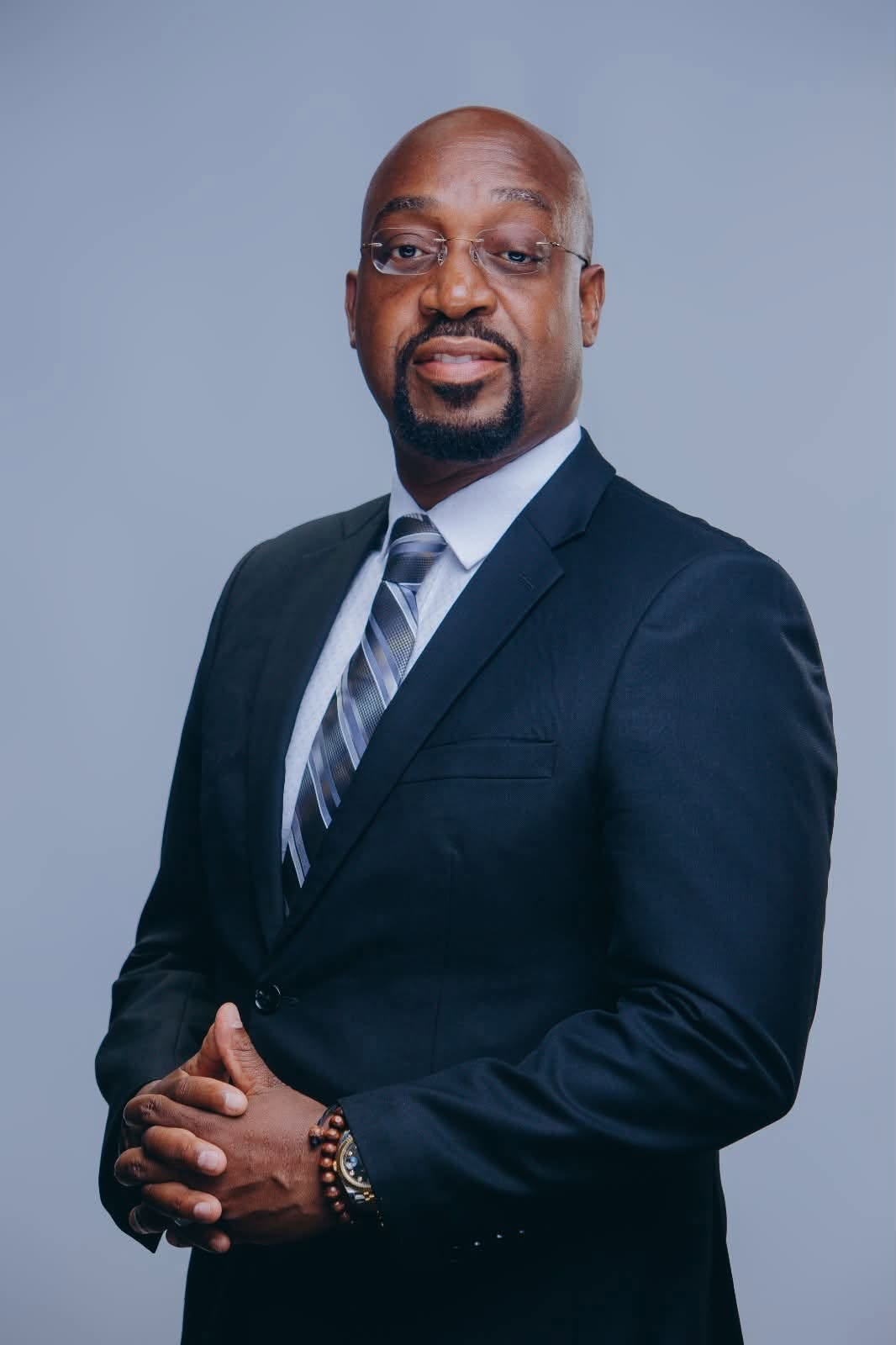
Organized People’s Party (OPP) President Eng. Dr. Brian Mushimba has called for the devolution of presidential powers and greater institutional independence as part of efforts to strengthen Zambia’s democracy.
Dr. Mushimba said political parties should formulate laws with the national interest in mind rather than considering how such laws could benefit them while in government.
He recalled a conversation with Colonel Panji Kaunda before the 2011 general elections, saying Kaunda had argued that political parties should make laws as though they were in opposition, even when they were in power.
He said the observation had remained with him because personal interests could influence lawmakers when they stood to benefit from legislation.
“Political parties make laws while looking at themselves in power,” Dr. Mushimba quoted Kaunda as saying.
He said some jurisdictions had addressed the challenge by delaying the implementation of certain benefits until lawmakers who enacted them had left office.
Dr. Mushimba said such an approach could help remove personal interests and create room for greater objectivity when important national laws were being formulated.
He further observed that political parties often prioritised retaining power, which could result in laws and institutions being structured in ways that strengthened political control.
He said OPP had recognised the need to separate certain constitutional offices and government functions from the presidency to prevent excessive concentration of power.
“We said that as long as we do not delink certain constitutional offices and functions of government, we will always come back to the same place,” he said.
Dr. Mushimba argued that Zambia’s presidency had accumulated significant powers, creating what he described as a system requiring stronger checks and balances.
“The presidency in Zambia is too powerful,” he said.
He said the OPP had campaigned for powers to be devolved away from the presidency, arguing that institutions should be strong enough to function independently regardless of who occupied State House.
Dr. Mushimba said even if an unsuitable person were elected president, institutional safeguards should prevent the country from suffering as a consequence.
“Even if we were to put the wrong person in that office, the government, institutions and the people should not suffer because of it,” he said.
He questioned why institutions such as the Anti-Corruption Commission (ACC) should operate under the presidency, arguing that funding arrangements could affect institutional independence.
“We cannot have an Anti-Corruption Commission that is unable to investigate the President or the Government because they are effectively its bosses,” he said.
Dr. Mushimba also called for independent funding for constitutional offices and greater accountability to citizens.
“They should ultimately be answerable to the people,” he said.
He said Zambia needed to reorganise its democratic institutions, political parties and government structures to address weaknesses contributing to challenges facing the country.